Frontpage content

How AFTER-REP started: Independent report on the Katanga reparations for the ICC

The report commissioned by Trust for Victims of the International Court is the first-ever attempt to understand the effects of an ICC reparations program. The report is now public, and it is through work on the report that many of the ideas that are essential to AFTER-REP were developed.

How should we assess the consequences of the Al Mahdi reparations?

On the 23d of September 2026, JB Falisse (PI) gave a presentation titled How should we assess the consequences of the Al Mahdi reparations? as part of the workshop Reparations for Cultural Destruction: Lessons Learned in Timbuktu and Implications for Future Approaches Workshop held at the Cambridge Heritage Research Centre (23-24 September 2026)

Reparations, future, and difficult deaths: reflections on the implementation of reparations for victims in the Katanga case

We examine how the International Criminal Court‑ordered reparations engaged with the ‘difficult deaths’ of the 2003 Bogoro massacre in eastern DR Congo. Drawing on qualitative material from the independent evaluation of the Prosecutor v Germain Katanga case, we analyse survivors’ experiences of recognition, reparation valuation, and grief. The Court’s design combined symbolic cash with in‑kind measures, navigating compensatory and expressive logics.

Opportunities

If you're a researcher or practitioner interested in our project, please get in touch. We're always interested in new ideas and potential collaborations.

Please note that the project currently has no job vacancies. We will not respond to job inquiries.

Conferences and workshop

23 September 2026: JB Falisse (PI) gave a presentation titled How should we assess the consequences of the Al Mahdi reparations? as part of the workshop Reparations for Cultural Destruction: Lessons Learned in Timbuktu and Implications for Future Approaches Workshop held at the Cambridge Heritage Research Centre (23-24 September 2026)

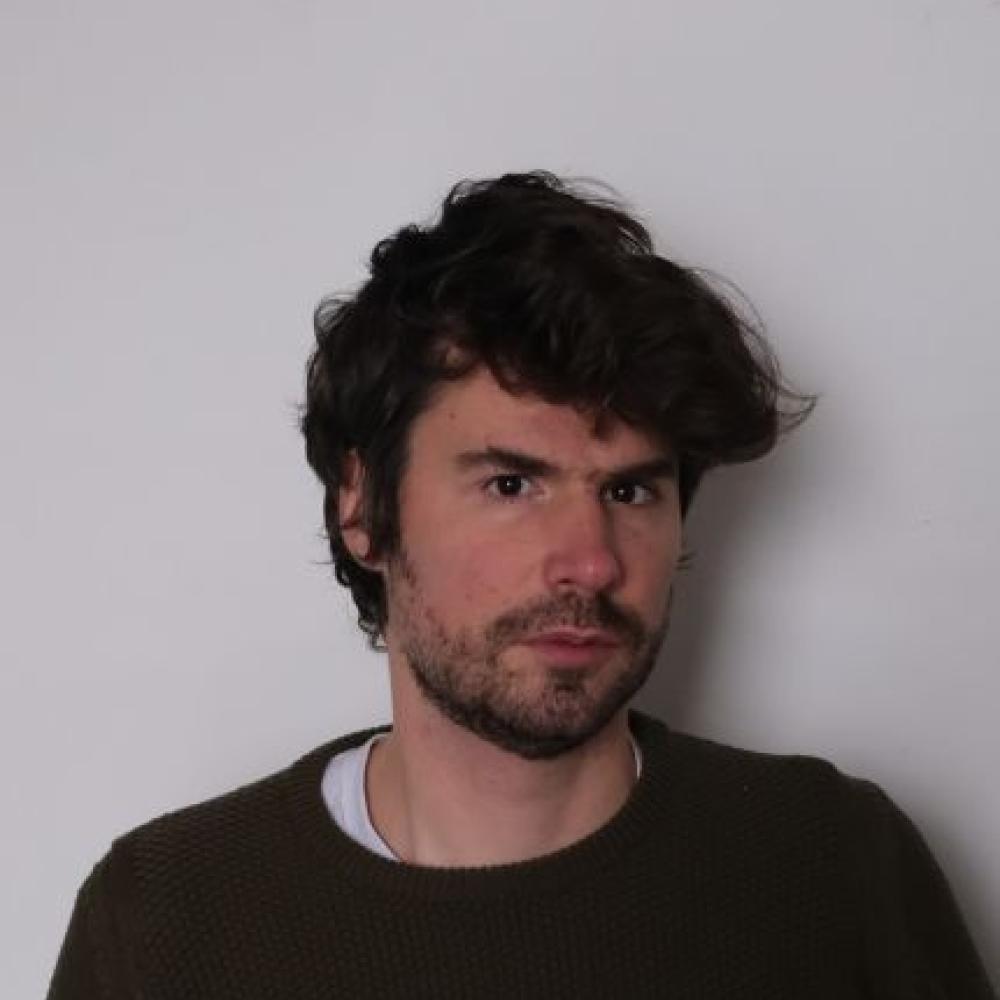
Simeon Koroma

Simeon Koroma

Role

Lead Research Fellow

I lead the project’s socio-legal and legal-anthropological research, bringing over 20 years of experience in legal practice, access to justice and legal empowerment. As a lawyer and academic, my work explores the relationships between law, justice and development, with particular interests in reparations, disputing processes and legal pluralism.
Full University Profile
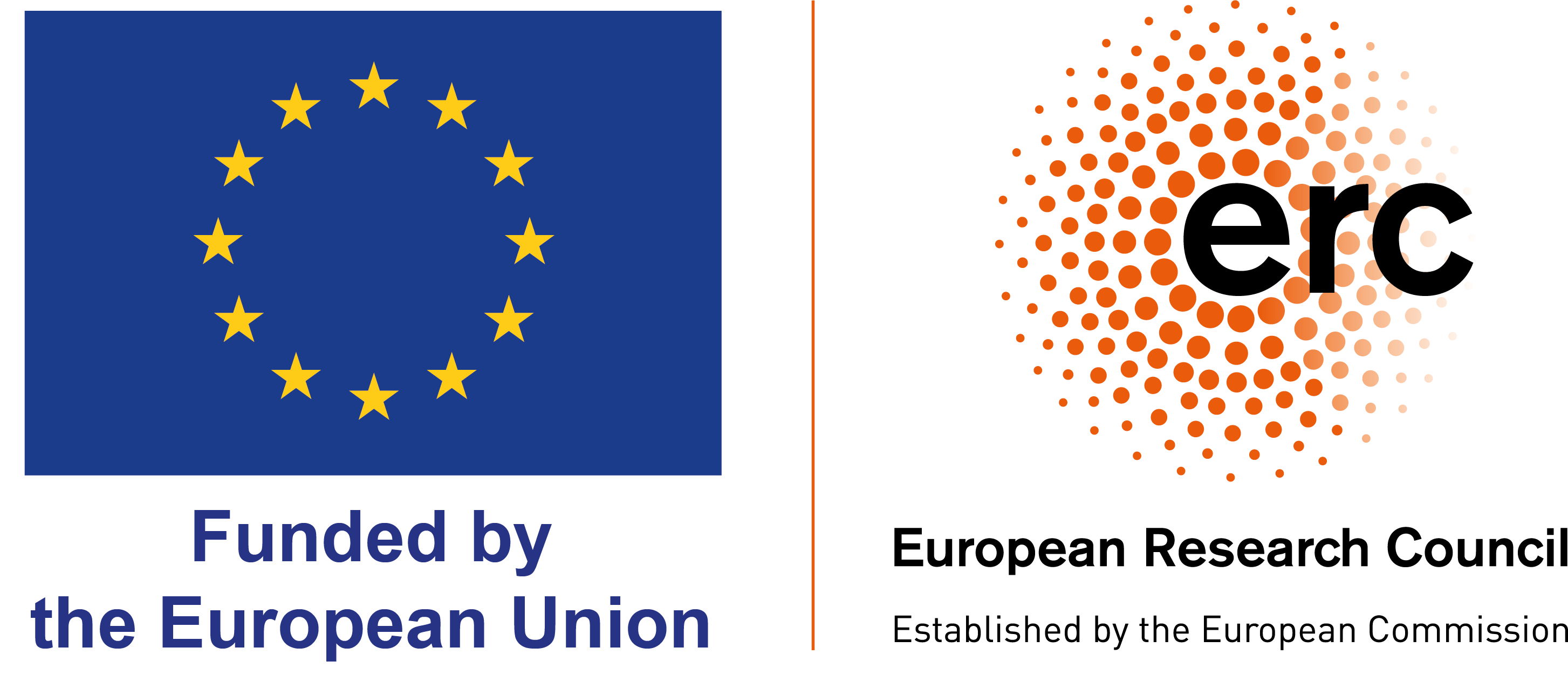
Jean-Benoit Falisse photo

Jean-Benoit Falisse

Role

Project Lead

I am the Principal Investigator of the project, I bring in 15 years of experience working in and on access to basic social services (healthcare, education, justice), mostly in 'fragile' settings.  I sit at the crossroads of different academic fields: development studies, public health, political economy, and a few others. 
Full University profile